
I Thought My Rounded Back and Changing Face Were Just Aging. Then I Looked at My Shoes.
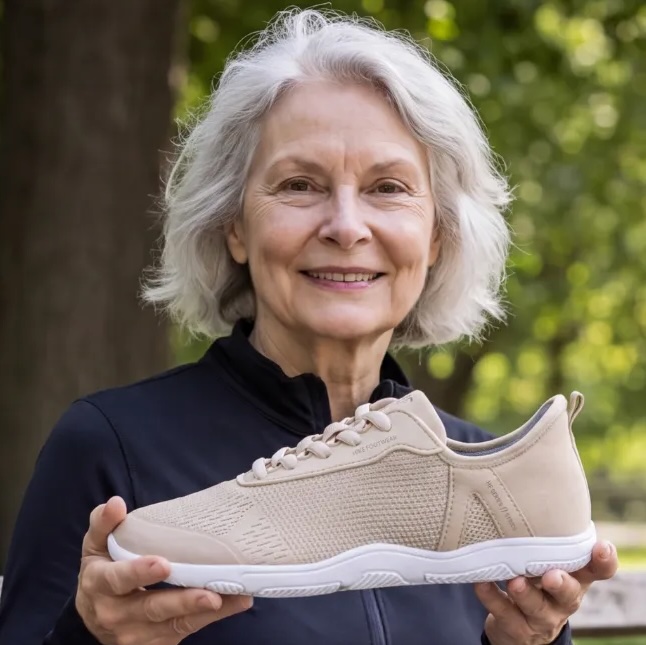 By Margaret H.Trusted by 2M+ customers
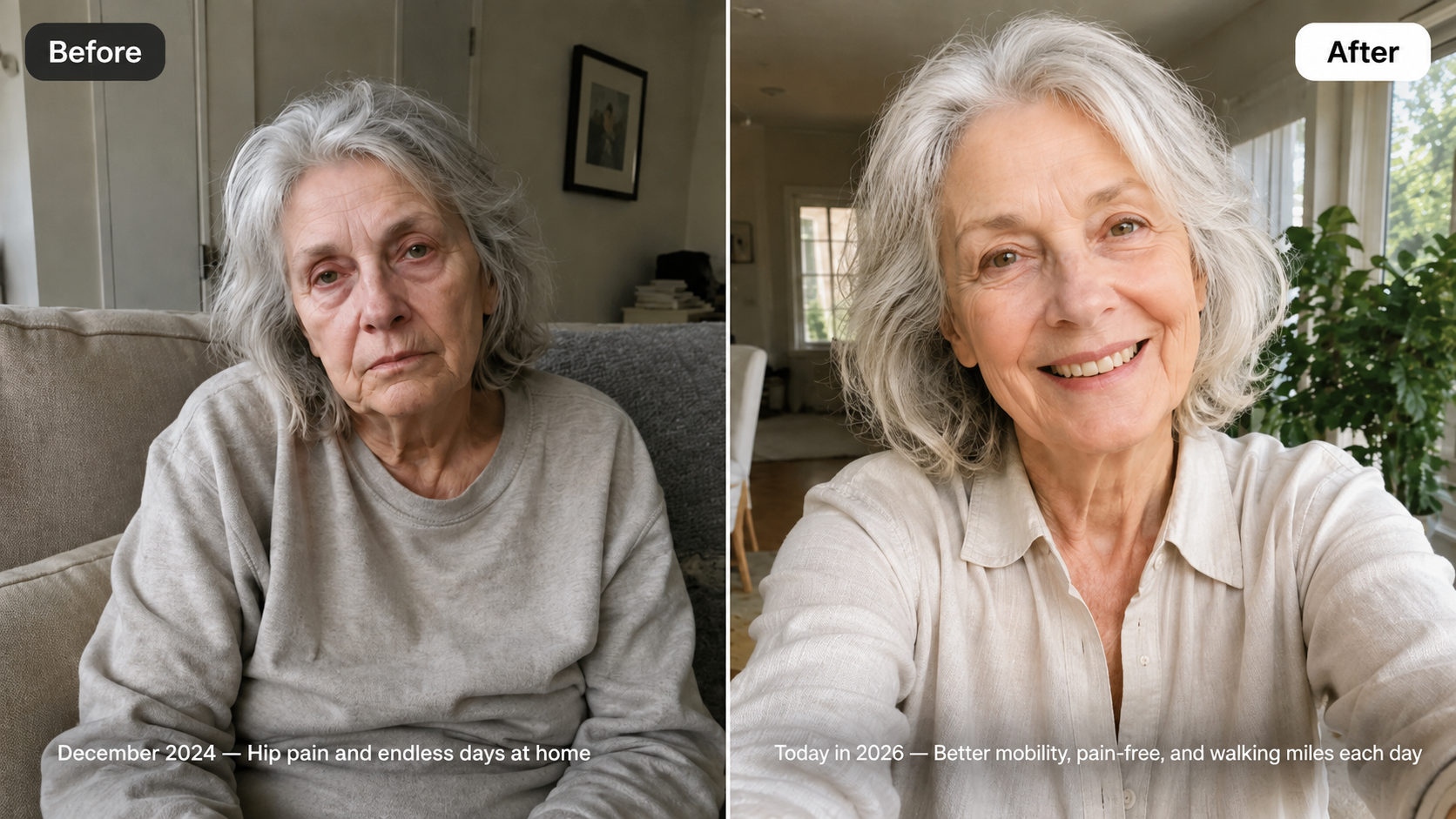
Over the past few years, I started noticing changes I couldn't ignore.
My shoulders looked more rounded.
My head seemed to sit farther forward.
My jawline looked softer in photographs.
And although I could still walk, I no longer moved with the same balance, posture, or confidence I once had.
Like most people, I blamed my age.
So I did what millions of people do: I bought softer, thicker, more heavily cushioned shoes.
They felt comfortable for the first few minutes.
But I never stopped to ask what they might be doing to the way my feet—and the rest of my body—were moving after thousands of steps.
Then I learned about something called overpronation.
In simple terms: my feet were collapsing inward—and the rest of my body was working harder to keep me upright.
Three visible changes.
One overlooked foundation.
Here's what I discovered:
What I Noticed vs. What I Originally Blamed
TLDR: Your Feet Don't End at Your Ankles
Your feet are the foundation of every step.
When that foundation becomes unstable or repeatedly collapses inward, the body may compensate through the ankles, knees, hips, spine, neck, and head.
Footwear characteristics can influence gait and balance in older adults, although the effects vary depending on the shoe and the individual.
Here are the 10 signs I wish someone had explained to me sooner 👇
1 I Didn't Know My Feet Were Collapsing Inward
Nothing suddenly "broke."
That was the frightening part.
My feet simply started rolling farther inward with each step. Because it happened gradually, I never realized my foundation was changing.
Overpronation is the clinical term for excessive inward movement of the foot. But most people don't need another complicated medical word.
They need to understand this:
When the foot collapses inward, the body above it has to respond.
2 The Cushion Felt Comfortable—But Comfort Wasn't the Same as Stability
I assumed that a softer shoe automatically meant a healthier shoe.
The thicker the foam, the safer I felt.
But softness and stability are not necessarily the same thing.
Different sole densities, heel shapes, shoe fits, and outsole designs can change how someone walks and balances. Depending on the design, footwear can help or interfere with stability.
The shoe may absorb some impact.
But your body must still control every step.
Discover why softness isn't the whole story3 My Ankles Began Following My Feet
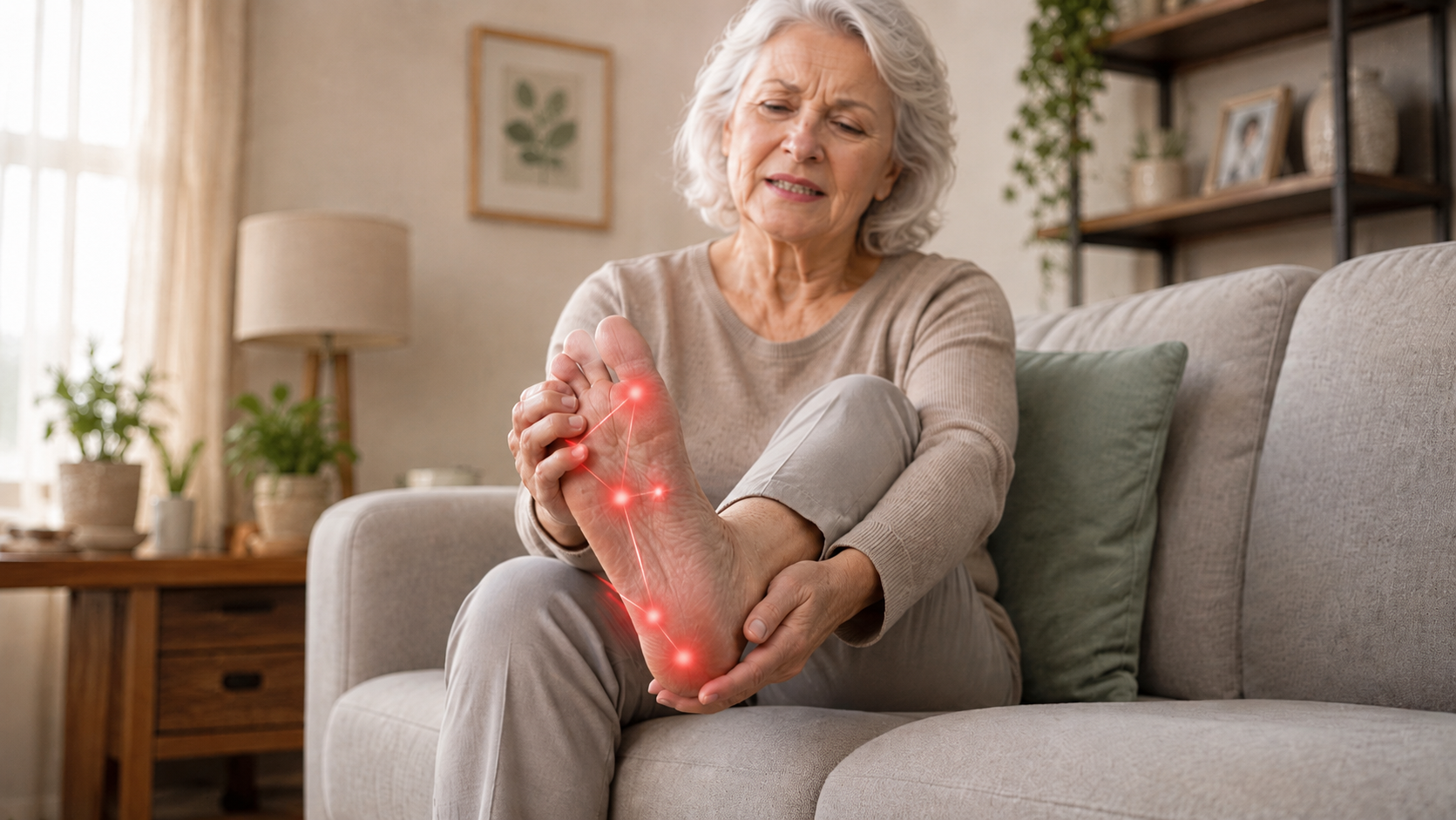
Once I understood what was happening, I couldn't stop seeing it.
My foot rolled inward.
My ankle followed.
And the movement didn't simply stop there.
Your body is not a collection of disconnected parts. Every joint works with the joints above and below it to keep your weight balanced over your feet.
A small change repeated once may mean very little.
A small change repeated thousands of times every day becomes a movement pattern.
See how one movement travels upward4 My Knees Started Turning Inward
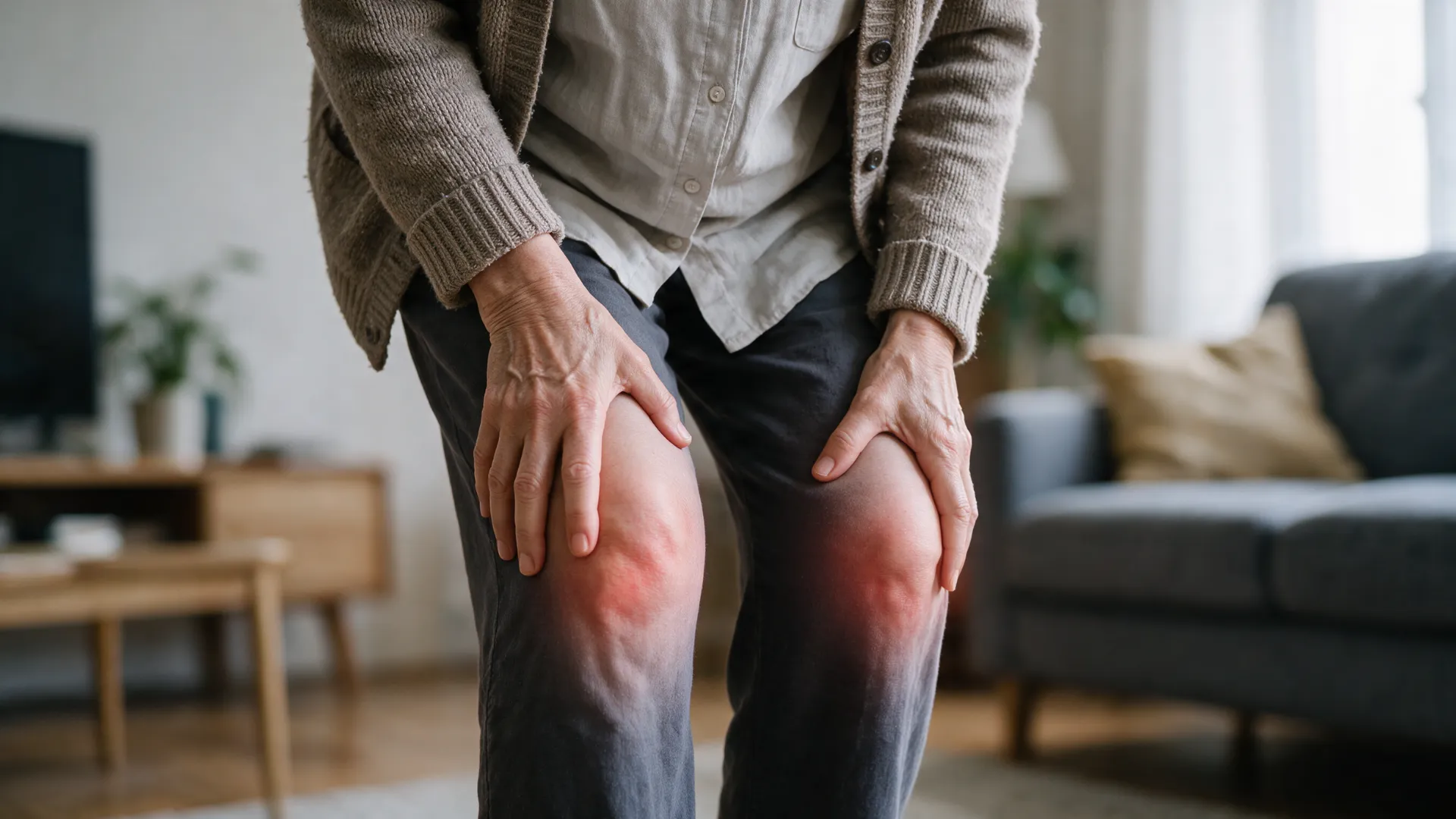
I used to look only at where something hurt.
If my knee bothered me, I assumed the problem began in my knee.
But the knee sits between the foot and the hip. It often has to respond to what is happening beneath it.
When the foot repeatedly moves inward, the lower leg may rotate with it. The knee then has to adapt while you continue walking, climbing stairs, and standing.
The discomfort may appear higher in the body.
But the compensation may have started much lower.
See the foundation-to-knee connection5 I Was Losing My Balance Without Realizing It

I wasn't falling.
But I was hesitating.
I became more careful around stairs, wet floors, uneven sidewalks, and unfamiliar surfaces.
I started watching the ground instead of looking forward.
That quiet loss of confidence can change how someone moves long before an actual fall occurs.
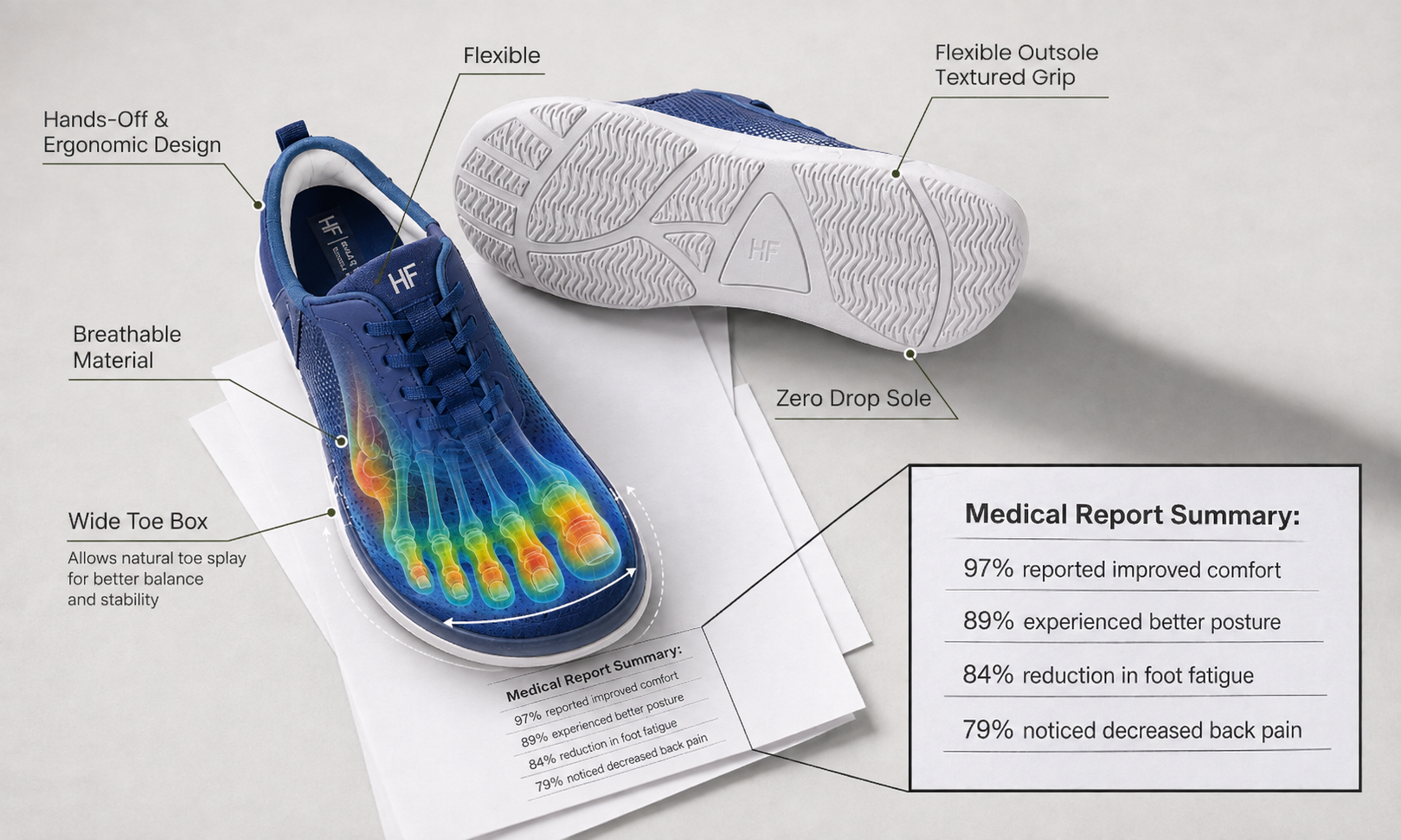
Give Your Feet More Room to Move Naturally
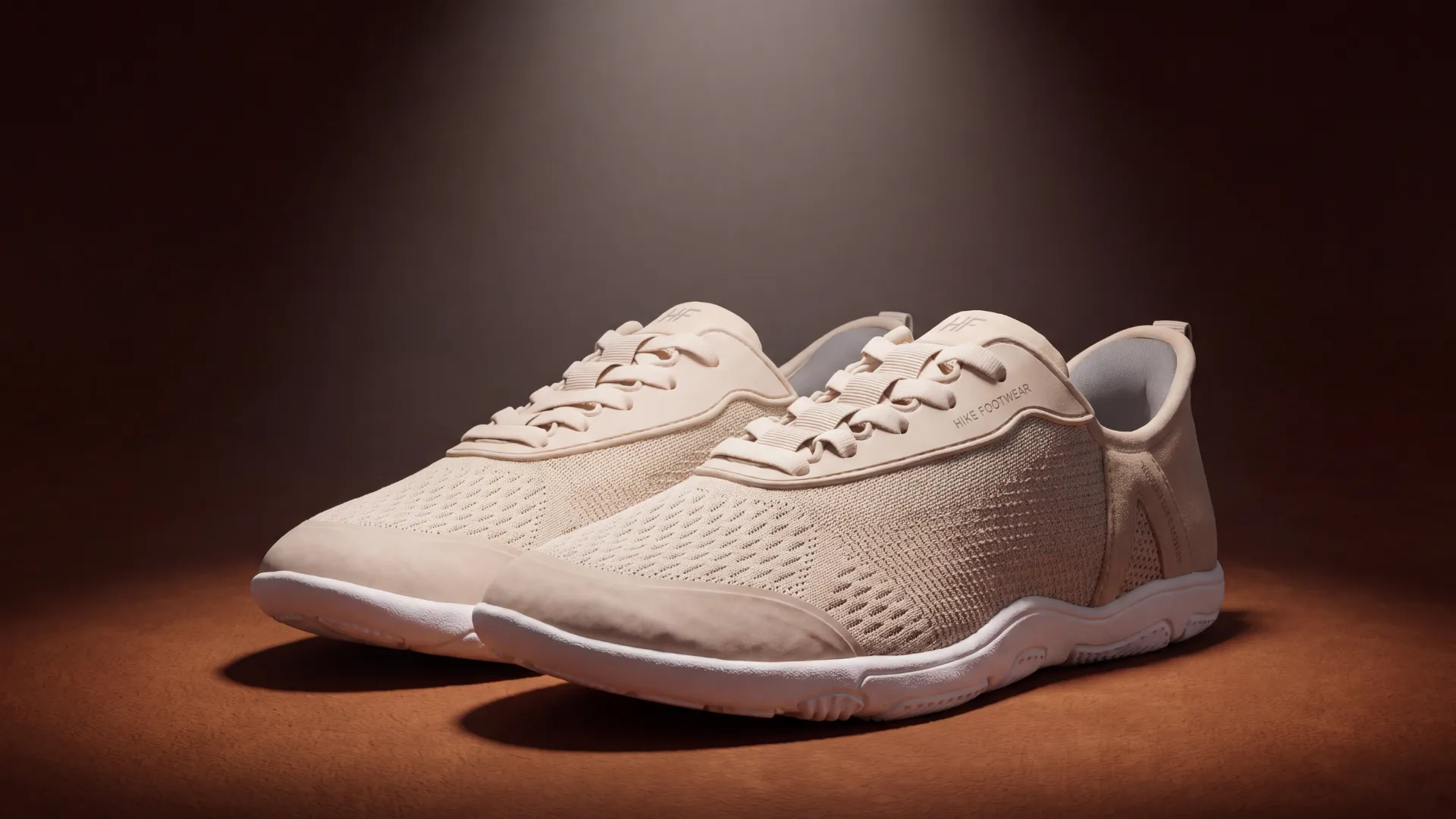
A wide toe box, flexible construction, and level sole are designed to give the foot more freedom than narrow, elevated, rigid footwear.
No complicated correction. No bulky orthopedic appearance.
Just a different foundation beneath every step.
6 My Hips Began Compensating
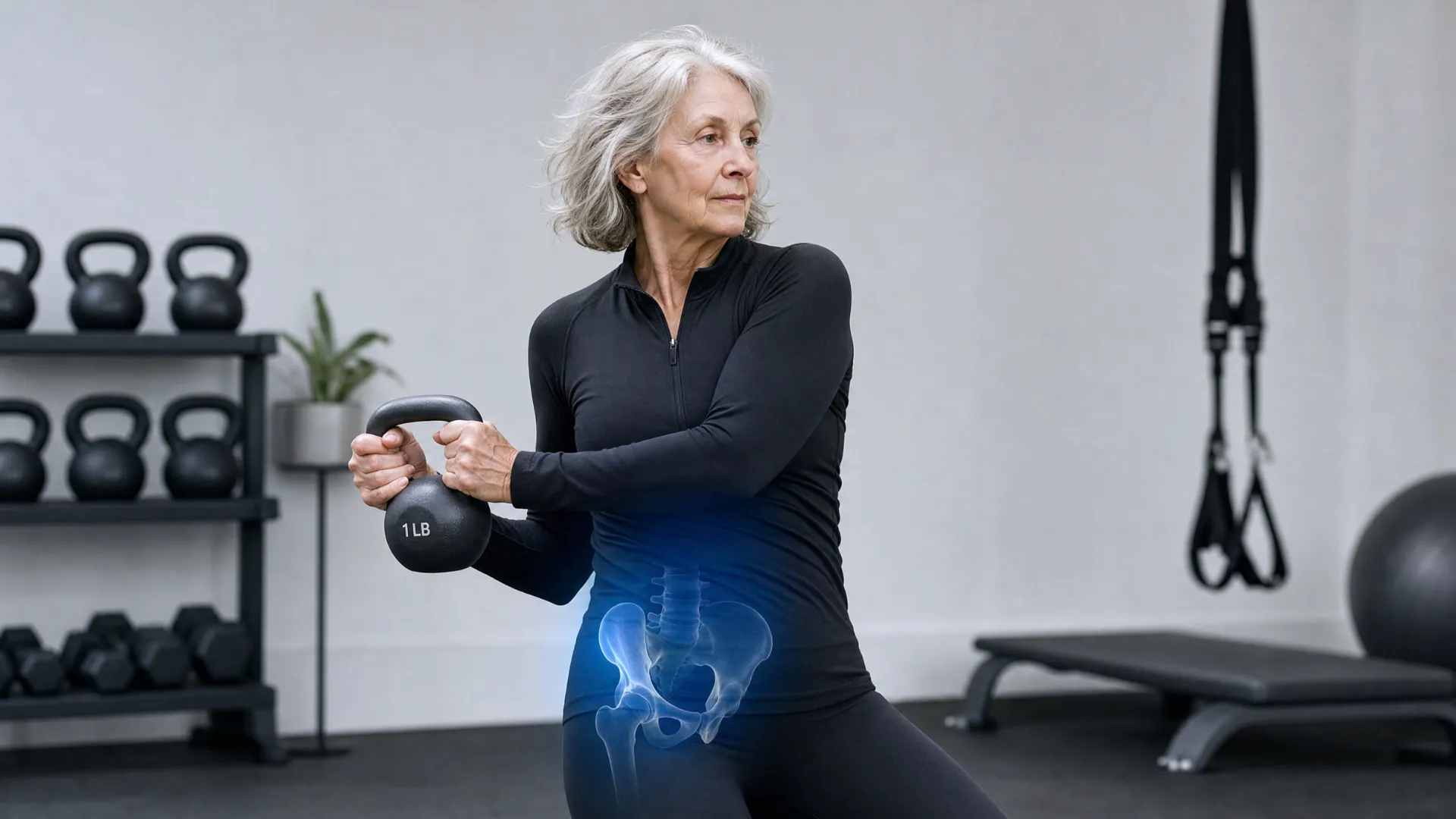
My body's priority wasn't perfect posture.
Its priority was keeping me upright.
When stability changes beneath the body, the hips and pelvis may adjust position to keep the center of mass over the feet.
At first, those adjustments can be almost invisible.
Then one day, you see yourself walking past a mirror and wonder: "When did I start moving like that?"
The body is remarkably good at compensating.
Unfortunately, compensation can become the new normal.
See how the body protects itself7 My Back Started Rounding Forward
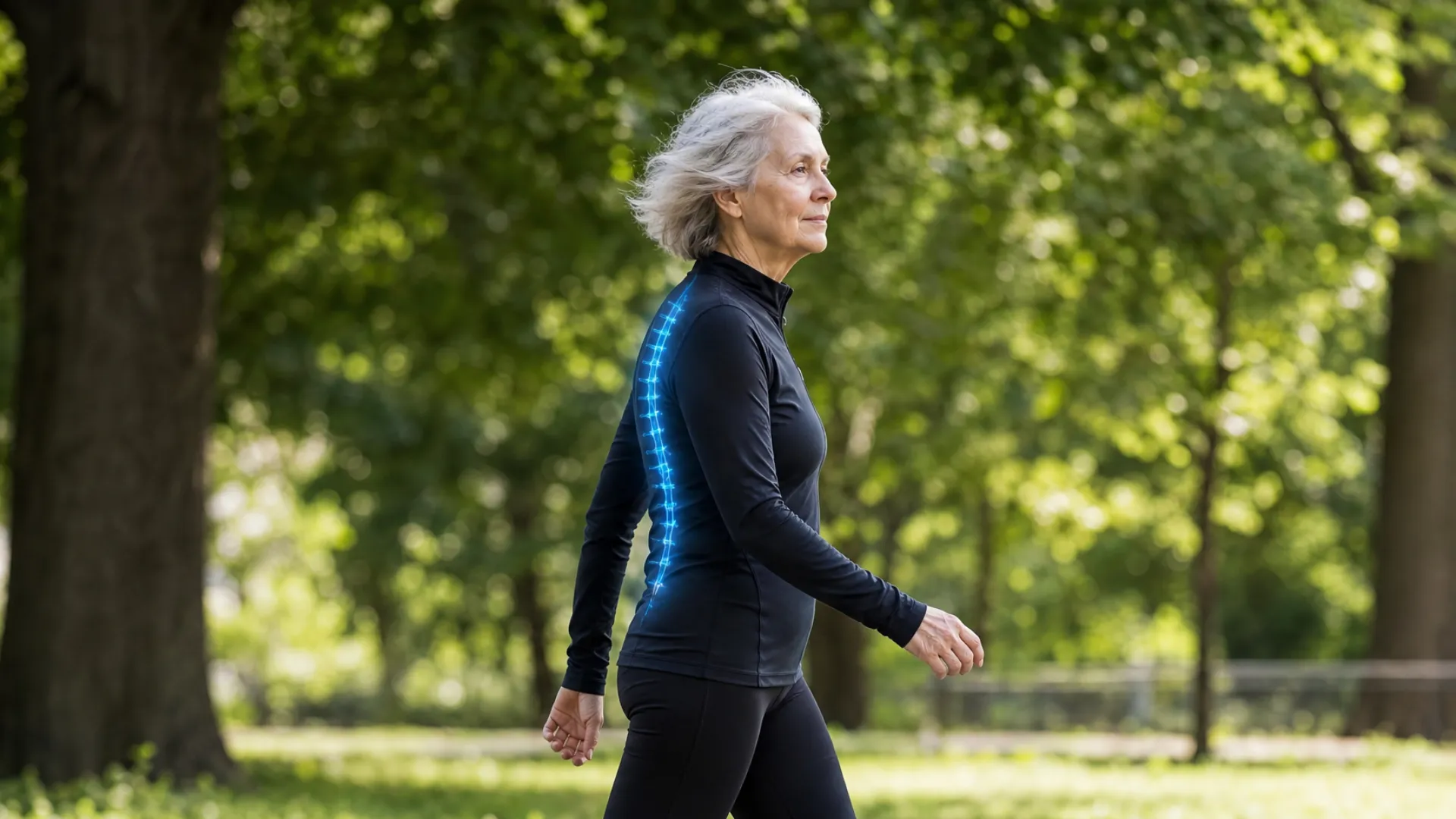
I always assumed a rounded back was simply an unavoidable part of getting older.
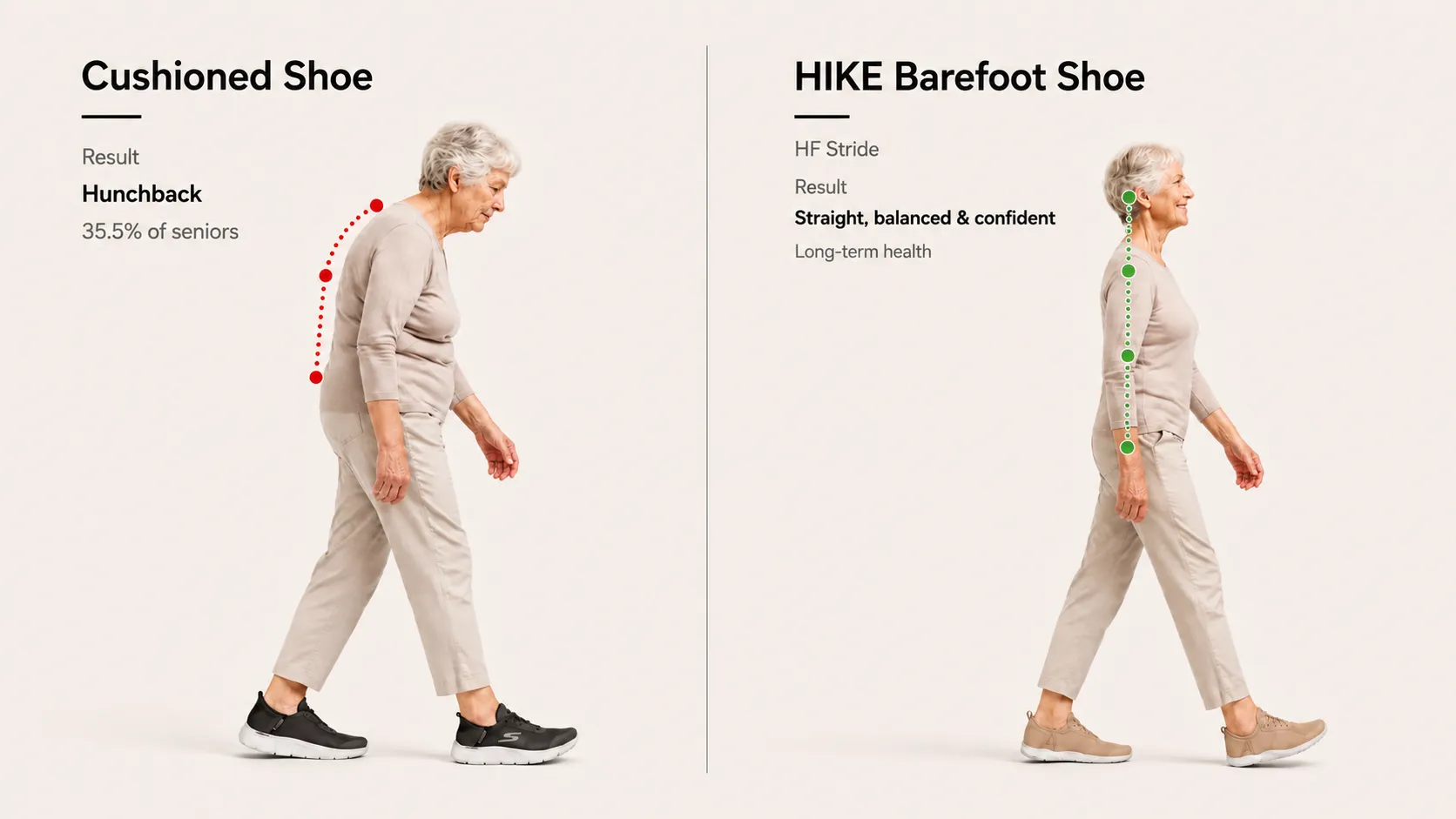
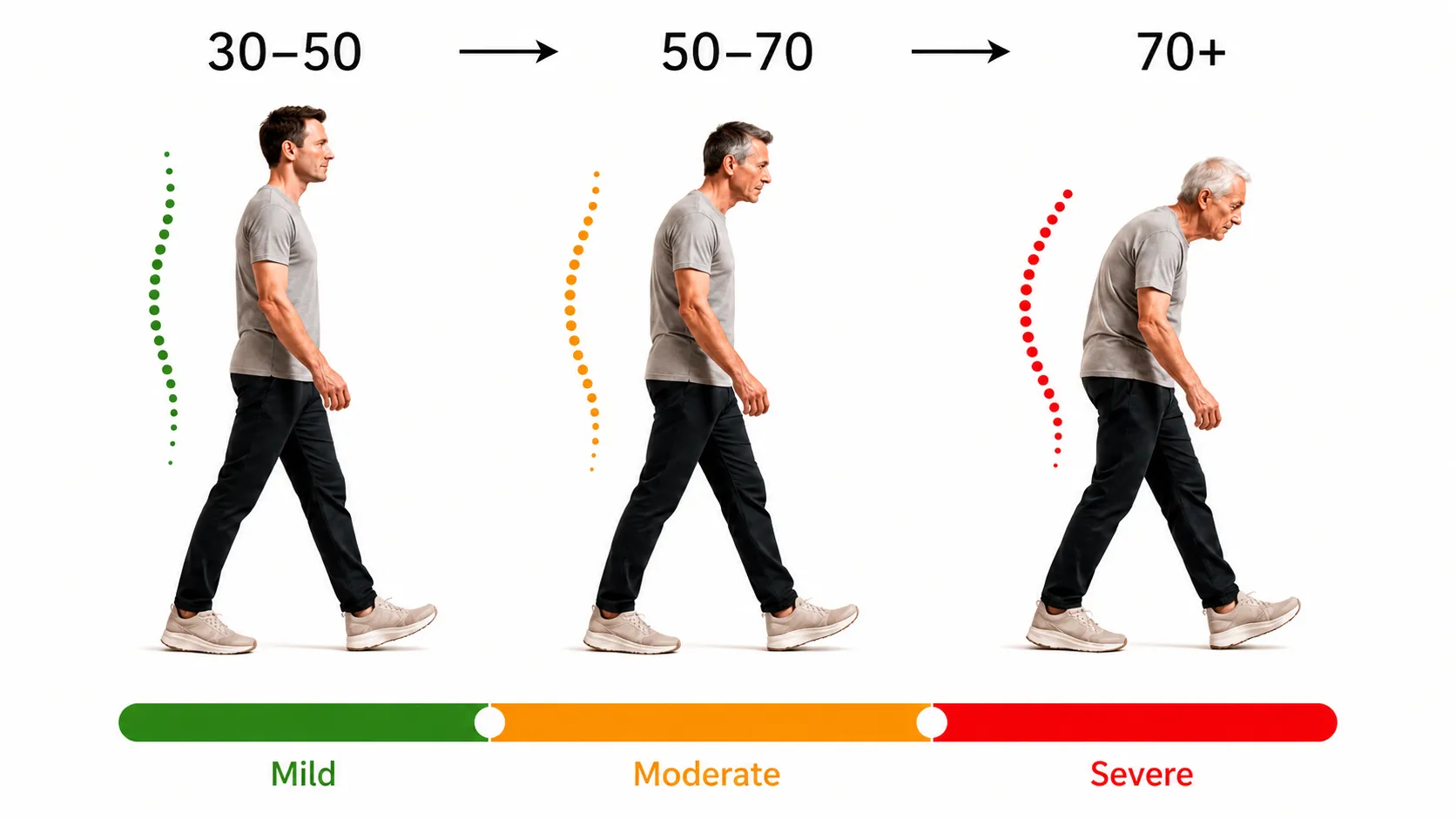
Age-related hyperkyphosis—the medical term for an excessively rounded upper back—affects approximately 20% to 40% of older adults.
It is multifactorial. Known contributors include muscle weakness, degenerative changes, genetic predisposition, low bone mass, and vertebral fractures. Footwear should therefore not be presented as its sole or proven cause.
But how you walk, balance, and carry your body remains part of the broader posture conversation.
The more my body fought to remain stable, the less upright and effortless my posture felt.
See why posture is more than "standing straight"8 My Head Began Moving Forward
My posture didn't end at my shoulders.
As my upper body became more rounded, my head appeared to move farther forward.
That changed everything about how I looked from the side.
The neck appeared shorter.
The chin looked less defined.
My entire profile looked heavier and older.
Head position can alter measurements and the visual presentation of craniofacial structures. That does not establish that shoes reshape facial bones, but it helps explain why the same face can appear different depending on posture and head carriage.
See how head position changes your profile9 My Face Looked Different—Even Though My Face Wasn't the Starting Point
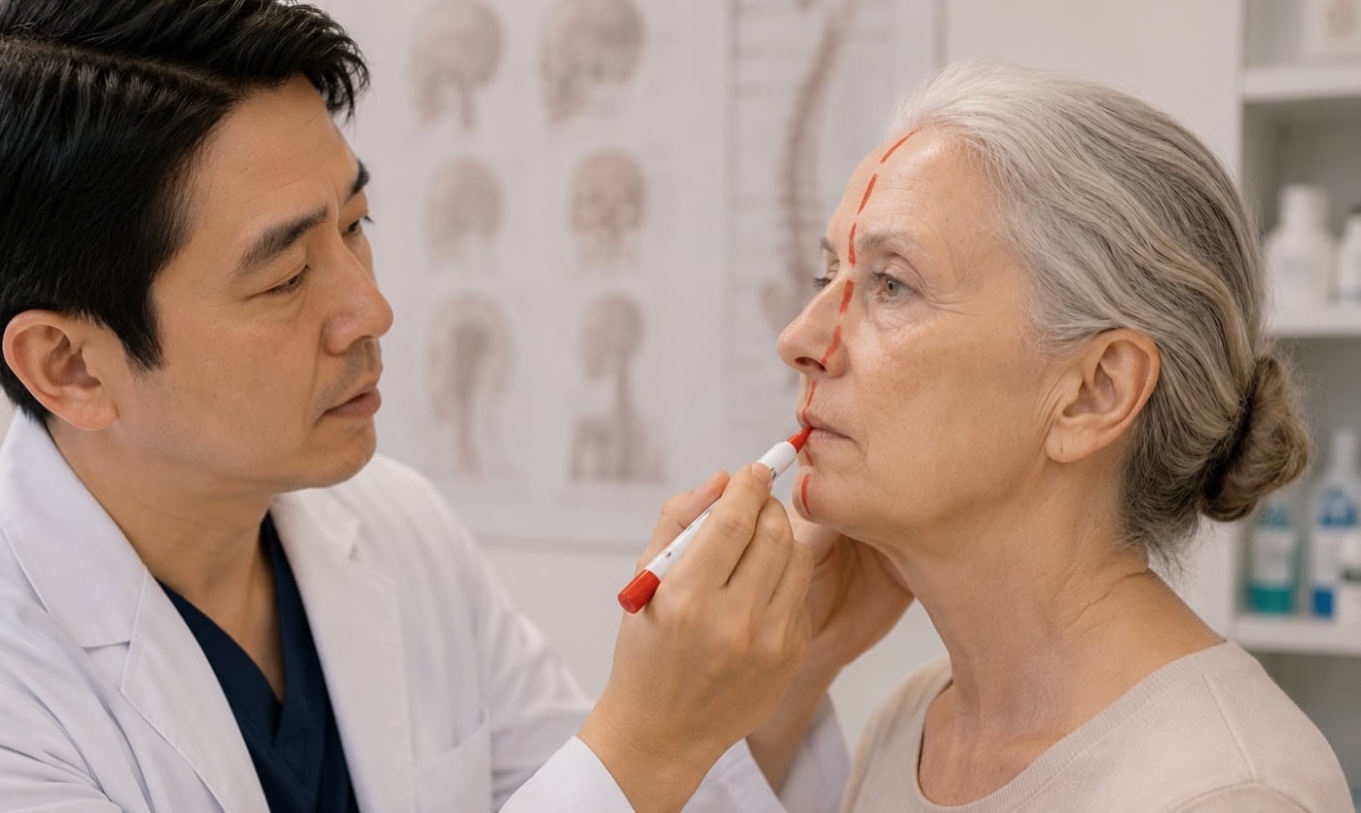
I kept looking at my jawline.
My chin.
My neck.
But my face wasn't floating independently above my body.
It was being carried by my head, supported by my neck, connected to my spine — and my spine was constantly adapting to how I stood and moved.
Your posture influences how you carry and present your face to the world.
Sometimes what looks like facial aging is amplified by the position of everything beneath it.
See the complete foundation-to-face chain10 I Realized I Wasn't Only Losing Posture—I Was Losing Confidence
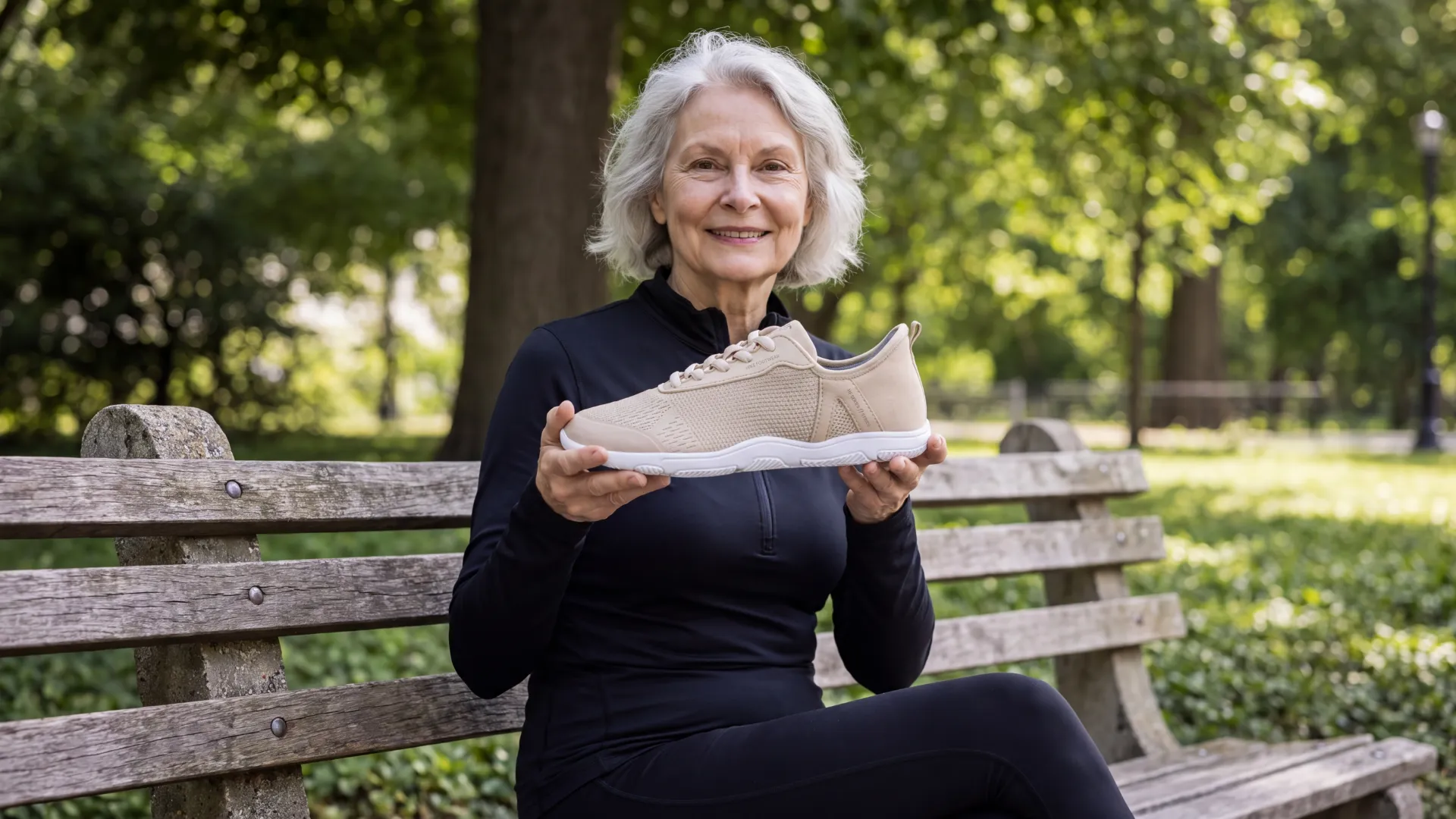
This was the part nobody warned me about.
When you stop trusting your balance, you take shorter steps.
When you feel rounded forward, you stop walking into rooms with the same presence.
When you dislike your side profile, you avoid photographs.
And when movement becomes something you fear instead of enjoy, your world quietly starts getting smaller.
I didn't want to wait until walking felt impossible.
I wanted to give my feet more room to function, reconnect with the ground, and support a more natural way of moving.
HF Stride uses a wide toe box, flexible design, and zero-drop construction intended to allow more natural foot positioning and movement.
Not because one pair of shoes can reverse every age-related change.
But because every journey toward stronger movement has to begin somewhere.
And the most logical place to begin… is at the foundation.
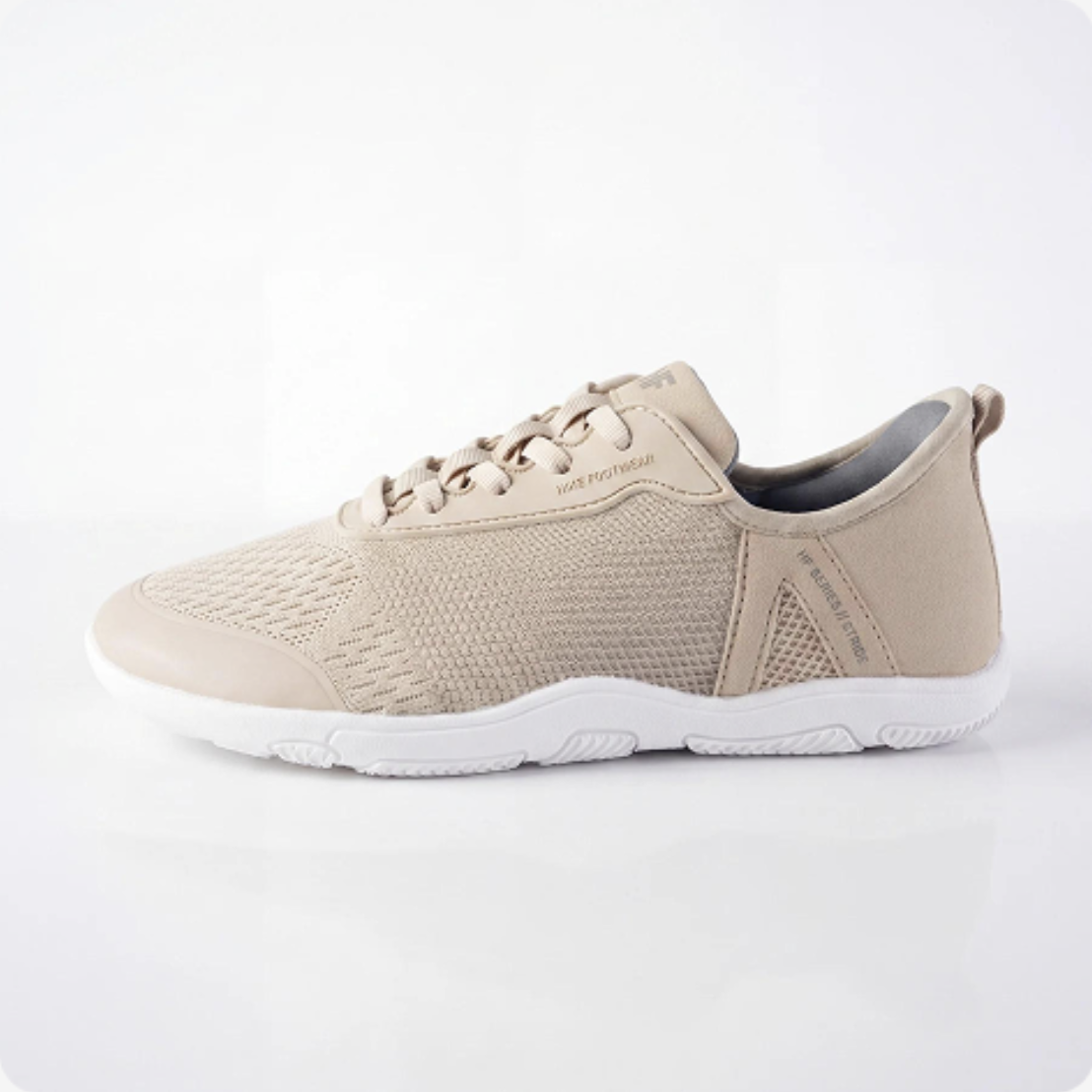
Try HF Stride risk-free
I was skeptical too. But with free shipping and a 30-day guarantee, there's nothing to lose.
Get HF Stride Today →Educational content, not medical advice. Individual results vary — speak to a qualified healthcare professional about any diagnosed condition.